When it comes to the unwelcome bump that can sometimes form around a cartilage piercing, it’s essential to understand that patience and proper care are your best remedies. Whether it’s a pustule, keloid, or just irritation, various solutions could help the healing process. This article will navigate you through the types of piercing bumps, initial care practices, and effective home treatments. Let’s dive into how to restore the beauty of your pierced cartilage and ensure your skin heals correctly and remains healthy.
Understanding Cartilage Piercing Bumps
Cartilage piercings can be fashion statements or personal expressions. However, the appearance of a bump near your piercing can be a source of distress. It’s essential to recognize the kind of bump you’re dealing with to apply the appropriate treatment strategy.
Types of Piercing Bumps
- Keloids: These are raised, often hard, scar tissues that grow beyond the boundary of the original wound and do not subside on their own.
- Hypertrophic Scarring: Similar to keloids but smaller, these scars are contained within the wound’s perimeter.
- Pustules: These resemble pimples, filled with pus, and usually form due to infection.
Causes of Piercing Bumps
Several factors might contribute to the development of bumps around your piercing:
- Infection caused by bacteria entering the wound.
- Mechanical irritation from excessive movement or inappropriate jewelry.
- Allergic reactions to the jewelry material.
- Poor piercing technique or inadequate aftercare.
Understanding the root cause is paramount, as the appropriate action depends on whether you’re dealing with an infection, an allergic reaction, or irritation.
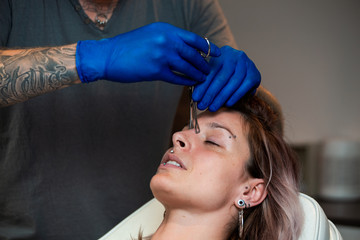
Initial Steps to Healing a Piercing Bump
Proper Aftercare Routine
Establishing a strict aftercare routine is crucial for preventing and treating bumps on pierced cartilage. Here are the steps:
- Clean the piercing twice a day with a saline solution.
- Avoid touching the piercing with unclean hands.
- Ensure that hair products, cosmetics, and lotions do not come into contact with the piercing.
Maintaining a consistent cleaning schedule and being gentle with your healing piercing is a must to ward off any potential bumps or infections.
| Step | Description |
|---|---|
| 1 | Clean Hands |
| 2 | Saline Solution |
| 3 | Sea Salt Soaks |
| 4 | Avoid Irritants |
| 5 | Don’t Twist or Rotate |
| 6 | Appropriate Jewelry |
| 7 | Consult a Piercing Professional |
Identifying and Eliminating Irritants
Sometimes, the little things that come into contact with your piercing can provoke a reaction. Perhaps it’s the nickel in your jewelry or the rough fabric constantly rubbing against it. Switching to hypoallergenic materials like titanium or biocompatible plastics and ensuring your clothing doesn’t agitate the area could make a world of difference.
When to See a Professional
There are warning signs that mean it’s time to consult a professional instead of continuing self-treatment. These include:
- The bump is persistently growing or changing color.
- You experience severe pain, redness, or warmth, which could indicate an infection.
- Home remedies and proper care aren’t producing the desired effect after several weeks.
Medical professionals can offer a precise diagnosis and advanced treatments, which might be needed if the issue is stubborn.
Home Remedies for Treating Piercing Bumps
Warm Sea Salt Compress
A sea salt compress can draw out fluids and reduce inflammation. Here’s a simple guide:
- Mix 1/4 teaspoon of non-iodized sea salt with a cup of warm distilled water.
- Soak a clean gauze or cloth in the solution and apply it to the bump for a few minutes.
Repeat this daily to promote healing from within.
Tea Tree Oil Application
Tea tree oil is known for its antibacterial properties. However, it should be used with caution as it can be harsh on sensitive skin.
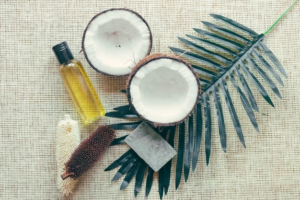
- Dilute the oil with a carrier oil like coconut or jojoba oil.
- Apply a tiny amount to the affected area with a clean Q-tip.
Testing on a small skin area before applying it to your piercing is advisable to ensure no allergic reaction occurs.
Chamomile Tea Soaks
Chamomile has been a go-to remedy for centuries due to its anti-inflammatory properties, which can alleviate the swelling and redness associated with piercing bumps. For a calming chamomile soak:
- Steep a chamomile tea bag in hot water as if you were making a cup of tea.
- Once the tea bag has cooled to a comfortable temperature, place it directly on the bump for about five to ten minutes.
Use this method daily, remembering to change tea bags for each session to avoid introducing bacteria to the area. This natural approach can soothe the skin and significantly reduce irritation alongside your regular aftercare routine.
Advanced Treatments and Interventions
Over-the-Counter Solutions
If home remedies are not quite cutting it, there are over-the-counter solutions that can assist in the healing of your piercing bump. Products containing benzoyl peroxide or hydrocortisone have been reported to help reduce swelling and treat minor infections. Nonetheless, it’s essential to start with the lowest concentration available to prevent unnecessary skin irritation and follow the instructions strictly. If there’s no improvement, it might be time to seek medical attention.
Medical Treatments
Sometimes, a persistent bump requires professional medical treatments such as:
- Corticosteroid injections, which can reduce inflammation in hypertrophic scars and keloids.
- Laser therapy, which can diminish the appearance of scars and is commonly used for keloid treatment.
These procedures should be considered as a last resort and performed by a certified dermatologist or medical professional who can assess the risks and benefits according to your particular situation.
Preventative Measures and Best Practices
Choosing the Right Jewelry
Selecting the appropriate jewelry for your piercing can preempt complications:
- Opt for jewelry made of medical-grade materials like titanium, 14k or 18k gold, or surgical steel —especially important for initial piercings.
- Ensure the size and fit of the jewelry are suitable for your piercing to discourage irritation and movement that can lead to bumps.
Piercing Aftercare Do’s and Don’ts
A list of do’s and don’ts can serve as best practices to prevent the formation of piercing bumps:
- Do: Follow your piercer’s aftercare instructions meticulously.
- Do: Keep the piercing clean and dry.
- Do Not: Remove or change the jewelry prematurely.
- Do Not: Use alcohol or hydrogen peroxide to clean the piercing as they can be overly drying and irritating.
Maintaining proper hygiene and being cautious during the healing process are your best defenses against piercing bumps.
Conclusion
In conclusion, treating and preventing bumps in cartilage piercings revolves around consistent aftercare, a gentle approach, and sometimes, professional intervention. Whether you opt for simple home remedies or seek medical advice, the key is to address the issue promptly and maintain a steady regimen that supports healing. With the right care, patience, and a touch of vigilance, that unwelcome bump can become a thing of the past.
FAQs
1. How long does it typically take for a cartilage piercing bump to go away?
It can take a few weeks to several months for a cartilage piercing bump to resolve, depending on the severity and the treatment approach. Consistency in aftercare is crucial for faster healing.
2. Can cartilage piercing bumps be prevented?
Yes, many bumps can be prevented with proper hygiene, selecting appropriate jewelry, and following a strict aftercare routine. Avoiding unnecessary trauma or irritation to the piercing site also helps.
3. Are cartilage piercing bumps always a sign of an infection?
No, not all bumps signify an infection. They can be caused by a variety of factors including irritation, allergic reactions, and overgrowth of scar tissue.
4. Is it safe to pop a pustule on a piercing bump?
You should never attempt to pop a pustule or any other type of bump on a piercing. This can cause the spread of infection and complicate the healing process.
5. Should I remove my jewelry if I develop a piercing bump?
Removing jewelry from a piercing with a bump is not generally advised as it can cause the hole to close up and potentially trap the infection inside. It’s best to seek professional advice from a piercer or a healthcare provider.