Hyaluronic acid has gained remarkable traction in the beauty and skincare world, often touted as a miracle hydrator. This naturally occurring molecule is famed for its ability to retain moisture, making it a coveted ingredient in serums and moisturizers. As an unparalleled ally against dryness, hyaluronic acid serum is best incorporated into your routine both morning and night, with the potential to amplify the hydration of your skin significantly. This brings us to the critical inquiry of when to seamlessly weave it into our skincare regimen to reap the maximum benefits.
Understanding Your Skin’s Needs
To determine the optimal time for applying hyaluronic acid serum, one must first assess the skin’s current condition. Your skin will often send out distress signals if it is parched and in dire need of hydration. These signs include dullness, tightness, fine lines appearing more pronounced, and an overall lack of suppleness. Hyaluronic acid plays a pivotal role in maintaining skin hydration, as a single gram of this dynamic molecule has the stunning capacity to hold up to six liters of water.
When your skin exhibits these cry-for-help characteristics, it’s a clarion call to integrate hyaluronic acid serum into your daily skincare routine. Its main role is to attract moisture from the environment and from deeper layers of the skin to the epidermis, ensuring your skin remains hydrated and plump throughout the day.
The Best Time to Apply Hyaluronic Acid Serum
The effectiveness of hyaluronic acid is not just about using it, but also about when and how it is applied. Let’s break this down:
- Morning routine considerations:
- Start your day by cleansing your face to remove any impurities or remnants of overnight products.
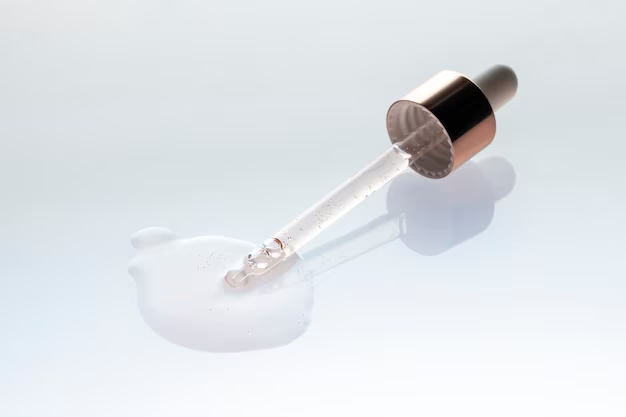
- After cleansing, while your skin is still damp, apply a few drops of hyaluronic acid serum to your face and neck. Damp skin is more permeable, which allows for better absorption of the serum.
- Give the serum a moment to absorb before layering on other products like moisturizer and sunscreen. This sequence ensures your skin is primed for optimal hydration throughout the day.
- Evening routine considerations:
- At night, your skin is in repair mode and more receptive to active ingredients. After cleansing, apply hyaluronic acid to aid in the overnight hydration process.
- Use after exfoliating treatments or retinoids, as these can sometimes dehydrate the skin. The serum will help counteract any dryness they might cause.
- Since the air can be drier at night, especially in heated or air-conditioned rooms, using hyaluronic acid can ensure that your skin retains moisture as you sleep.
Seasonal Application Tips:
- Spring/Summer: The increase in humidity makes it easier for hyaluronic acid to draw moisture into the skin. However, don’t skip it; your skin can still benefit from its water-binding properties.
- Fall/Winter: As the air grows colder and drier, hyaluronic acid becomes even more essential. It can help combat the drying effects of indoor heating and harsh weather.
| Season | Morning Application | Evening Application |
|---|---|---|
| Spring | Use before SPF | Use after toning |
| Summer | Pair with a lightweight moisturizer | Use as a hydration booster |
| Fall | Use before a protective barrier cream | Increase amount for added moisture |
| Winter | Must-have after cleansing | Essential overnight hydration step |
Incorporating Hyaluronic Acid into Your Skincare Regimen
Despite its molecular heft, hyaluronic acid is surprisingly adept at penetrating the skin, thanks to its unique ability to bind and retain water molecules. Here’s how to layer it correctly:
- Cleanse your skin thoroughly. Starting with a fresh canvas ensures that your skincare products can penetrate without barriers like oil and dirt.
- Apply any active treatments or toners. Let these products set in, so they’re not diluted or affected by subsequent layers.
- Follow with hyaluronic acid serum. Its hydrating properties can also aid in buffering any potential irritation from active ingredients.
- Seal the deal with a moisturizer, locking in all the precious layers you’ve just applied and providing an additional barrier to keep moisture in.
- During the day, always finish with a broad-spectrum sunscreen to protect your skin from UV damage.
The synergy between these products is crucial, and layering them in the correct order maximizes the potential of each. Integrating hyaluronic acid into your skincare routine doesn’t require a complete overhaul. Rather, it’s about strategic placement within your existing regimen. Consider it a hydration enhancer, not a replacement for other fundamental components of your skincare.
Maximizing the Benefits of Hyaluronic Acid
Selecting the right hyaluronic acid serum is akin to choosing the perfect outfit—it should fit well with your skin’s unique characteristics. Hyaluronic acid comes in various molecular sizes; some formulations cater to surface hydration, while others penetrate deeper to provide moisture to the underlying layers of the skin. To derive the highest benefit:
- Evaluate your skin type—whether it’s dry, oily, combination, or sensitive—and opt for a serum that caters to its specific requirements.
- Consider the other ingredients in the serum. If you have sensitive skin, for example, look for a product with minimal additives that could cause irritation.
- Check the concentration of hyaluronic acid. A higher concentration isn’t always better, especially if you are layering it with other hydrating products. Balance is key.
Aside from choosing an appropriate product, adopting certain lifestyle habits can enhance the efficacy of hyaluronic acid:
- Stay hydrated by drinking plenty of water. This provides the serum internal resources to draw upon, optimizing skin moisture levels.
- Maintain a balanced diet rich in antioxidants and vitamins that support skin health and boost overall moisture retention.
- Protect your skin from the sun and harsh weather conditions, as these environmental factors can deplete your skin’s natural hyaluronic acid stores.
Implementing these practices can significantly amplify the positive impacts of hyaluronic acid on your skin, providing a path to a more radiant, dewy complexion.
Conclusion
To encapsulate our exploration of hyaluronic acid serum usage, the when is just as crucial as the why and the how. Its utilization can be a game-changer for those seeking to elevate their skincare routines to new heights of hydration. By consistently applying your chosen formula in tandem with other skincare staples, both in the morning and at nighttime, and adjusting for seasonal changes, your skin will thank you by displaying a youthful, vibrant, and deeply hydrated appearance.
Moreover, the infusion of hyaluronic acid into your routine should always be catered to your individual skin type and personal skincare goals. Remember, the journey to optimum skin health is a personal one—stay in tune with your skin’s needs and adapt as they evolve.
FAQs About Hyaluronic Acid Serum
Q1: Is hyaluronic acid serum suitable for all skin types?
A1: Yes, hyaluronic acid is beneficial for all skin types due to its gentle nature and powerful hydrating properties. Oily skin types get the moisture they need without heavy lotions, and dry skin types receive an intense boost of hydration.
Q2: Can hyaluronic acid serum be used with other active skincare ingredients?
A2: Generally, hyaluronic acid can be safely combined with most active ingredients, such as vitamin C and retinoids. It’s recommended to apply it before heavier treatments and moisturizers to allow for optimal absorption. However, high pH level acids can reduce its effectiveness and should ideally be applied at different times or neutralized beforehand.
Q3: How often should I apply hyaluronic acid serum to my skin?
A3: Hyaluronic acid serum can be applied twice daily—once in the morning and once in the evening. The consistent application is key to maintaining moisture levels in the skin.
Q4: Can using hyaluronic acid cause any side effects?
A4: Side effects from hyaluronic acid are infrequent as it’s naturally occurring in the body and generally well-tolerated. However, always perform a patch test with new products and discontinue use if you notice any adverse reactions such as redness or irritation.
Q5: Is it necessary to use a moisturizer if I already use hyaluronic acid serum?
A5: Yes, while hyaluronic acid is incredibly hydrating, it works best when sealed in with a moisturizer. This extra layer helps lock in the hydration provided by the serum, ensuring your skin stays moisturized longer.
In conclusion, the wise application of hyaluronic acid serum can bring forth a multitude of skin benefits, chiefly its ability to hold water and maintain optimum hydration levels. Listen to your skin, evaluate its needs, and position this powerhouse ingredient where it best serves your skincare regimen. By doing so, you will unlock the full potential of this skin-loving molecule, allowing your skin to bask in its hydrating glow.